
What Really Drives Roof Replacement Costs in the GTA
Understand the main factors that shape your Toronto-area roof replacement bill and how to prepare.
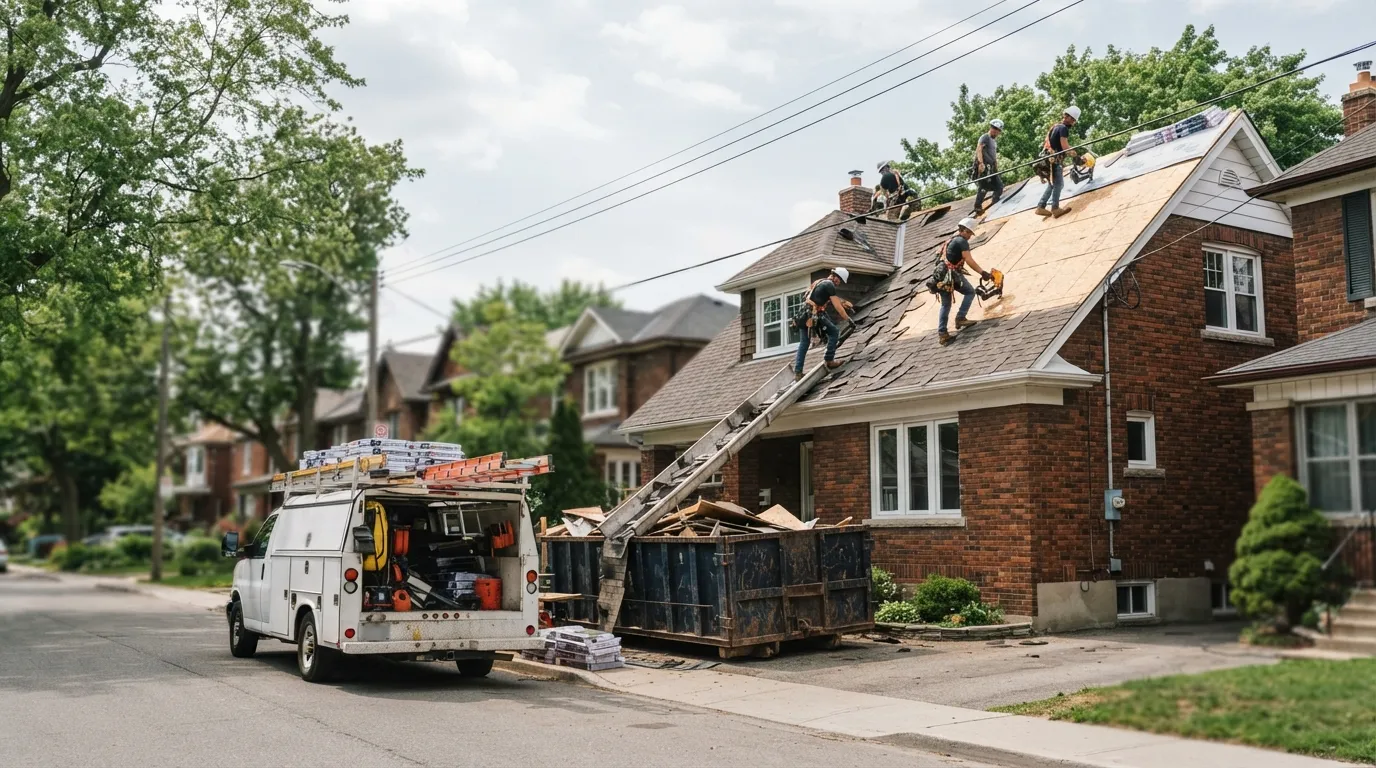
What determines how much a roof replacement will cost in the GTA?
Roof replacement cost in the GTA is primarily set by three things: the roofing materials you choose, the roof’s size and complexity, and local permit/insurance requirements—each interacting with labour, seasonal demand, and disposal costs.
Materials: shingles to membrane
Material choice is the single biggest direct line-item. Asphalt shingles are most common on Toronto homes because they balance price and performance; higher-end architectural shingles, metal, slate, or specialized flat roofing membranes cost more but last longer. Each material affects labour time, underlayment needs, and roof penetration details (vents, flashings), which together raise or lower the final invoice.
Roof size, slope and complexity
Contractors charge by area and time—steeper slopes, multiple hips, valleys, dormers, and skylights add hours and safety equipment costs. A simple rectangular bungalow roof will be much cheaper than a multi-level Victorian with intersecting planes and tall ridgelines. Complexity also increases the chances of hidden repairs once old material is stripped.
Permits, disposal and safety
In Toronto and many GTA municipalities, a building permit is often required for full re-roofs or structural work; the permit cost and inspection timing affect schedules. Waste disposal (dumpster rental, landfill fees) and mandatory fall protection or scaffolding—especially on multi-storey homes—add predictable costs. Confirm permit rules with the City of Toronto or your local township before budgeting.
Labour, timing and local demand
Skilled roofing crews are in concentrated demand during spring and summer. Labour rates reflect local market pressure—Toronto, with its population of about 2.79 million and surrounding areas like Mississauga and Markham, typically sees higher labour input than smaller towns. Off-season work can lower cost but may be constrained by weather and manufacturer warranty conditions.
Step-by-Step: What Really Drives Roof Replacement Costs in the GTA
A practical sequence showing where costs are set and how decisions influence price. Use this as a checklist whether you’re planning, filing a claim, or interviewing contractors.
- 1
Document the roof condition
Photograph damage, measure approximate area, and note visible issues (missing shingles, sagging, leaks). Accurate documentation helps you and an insurer understand urgency and prepares contractors for an on-site estimate.
- 2
Review your insurance policy and basics
Check your policy for coverage types (replacement cost vs actual cash value), deductibles, and whether wear-and-tear exclusions might apply. In Ontario, insurer procedures and claim acceptance vary—contact your provider early and ask what documentation they need.
- 3
Notify insurer and schedule adjuster
If you plan to claim, notify your insurance company promptly. An adjuster will inspect and may authorize temporary repairs; their scope and timing influence whether you can hire a contractor immediately or must wait for approval.
- 4
Get multiple contractor estimates
Ask at least three reputable local roofers for written estimates that break down materials, labour, disposal, and permit fees. Comparing itemized quotes uncovers differences in underlayment quality, flashing methods, and warranty offerings—major long-term cost drivers.
- 5
Decide materials and schedule
Choose materials after weighing upfront cost, lifespan, local climate performance (Toronto winters mean ice and freeze-thaw are considerations), and manufacturer warranties. Book the job early in the season for better availability, or consider late-season rates if weather permits and warranties remain valid.
- 6
Permit, inspection and final payment
Obtain or confirm required permits with your municipality—City of Toronto or neighbouring jurisdictions like Peel or York Region—and arrange inspections. Final payments should be tied to completed inspections and a punch-list clearing all visible issues.
Mistakes to Avoid
Roof replacement is a big investment; avoid common missteps that inflate cost or create future headaches. These mistakes often relate to short-term savings that become long-term expenses.
Choosing solely on lowest bid
A low bid may omit important items like underlayment upgrades, flashing replacement, high-quality fasteners, or adequate ventilation—costs you’ll see later in leaks or premature wear. Request an itemized quote and check the scope of work; pay attention to warranty terms on both materials and labour.
Not verifying permits or neighbourhood rules
Skipping permit checks can lead to stop-work orders, fines, or being forced to redo work to meet code—especially in Toronto’s regulated construction environment. Confirm whether the job needs a building permit and who will apply; reputable contractors include permit handling in their proposals.
Overlooking ventilation and insulation
Poor attic ventilation or inadequate insulation fosters ice dams and shortens shingle life. Spending a bit more to correct ventilation paths, install ridge vents, or upgrade attic insulation can prevent accelerated damage and reduce heating costs in winter.
Accepting cash-only or unverified contractors
Cash-only arrangements can bypass receipts, insurance coverage, and permits, exposing you to liability if someone is injured on your property or the job fails. Choose contractors with insurance, WSIB compliance, written contracts, and local references—ask for examples of recent Toronto-area work.
What Affects Your Outcome
Key variables that change costs, timing, and coverage.
Roof geometry and pitch
Steeper roofs and complicated geometries need more safety gear and longer labour, raising cost per square metre.
Material selection and underlayment
Premium shingles, metal, or membrane systems cost more up front but can reduce lifecycle costs; underlayment type affects water resistance and warranty eligibility.
Extent of hidden damage
Once decking is exposed, rot or structural issues may be found; unanticipated repairs are a common source of change orders.
Insurance policy details
Whether you have replacement cost versus actual cash value, deductible amounts, and endorsements (e.g., for older roofs) alters what the insurer will cover.
Local permits and inspection timing
Permit fees, inspection scheduling, and municipal requirements in Toronto, Peel Region, or York Region can delay work and add administrative costs.
Contractor experience and warranty
Experienced local roofers familiar with Toronto’s climate and building department procedures charge more but often deliver fewer callbacks and stronger workmanship warranties.
Frequently Asked Questions
How much should I expect to pay per square for a full roof replacement in Toronto?
Costs vary widely with materials and complexity. Expect a broad range rather than a single number; ask local contractors for itemized per-square pricing and compare what’s included (underlayment, flashing, tear-off, disposal).
Will insurance cover my roof replacement after a storm in the GTA?
Insurance coverage depends on your policy and cause of damage. Wind or hail damage is often covered if reported promptly, but wear-and-tear or lack of maintenance may be excluded—verify with your insurer and confirm required documentation for a claim in Ontario.
Do I need a permit to replace my roof in Toronto?
Often yes for full replacements or if structural changes are made; minor repairs may not need permits. Permit rules vary by municipality—confirm with the City of Toronto, Peel Region, or your local building office before work begins.
Can replacing just a portion of the roof save money?
Spot repairs can be less expensive short-term, but mismatched materials or age differences may create issues and reduce resale value. For large, aged roofs, full replacement often provides better long-term value and warranty coverage.
How does Toronto’s climate affect material choice?
Freeze-thaw cycles, ice dams, and heavy snowfall are considerations—materials and underlayments that resist ice damming and properly sized ventilation are important. Discuss local performance with contractors experienced in Toronto, Mississauga, or Markham to pick the right system.
What should I insist on from a contractor contract?
A written scope of work, start and completion dates, payment schedule tied to milestones, permit responsibilities, and clear warranty terms on both labour and materials. Also require proof of insurance and references from recent Toronto-area jobs.
Free roof inspection and cost review for Toronto-area homes
We’ll inspect your roof, outline likely costs, and point out permit or insurance steps — no pressure, just clear guidance.
Get a Free Quote