
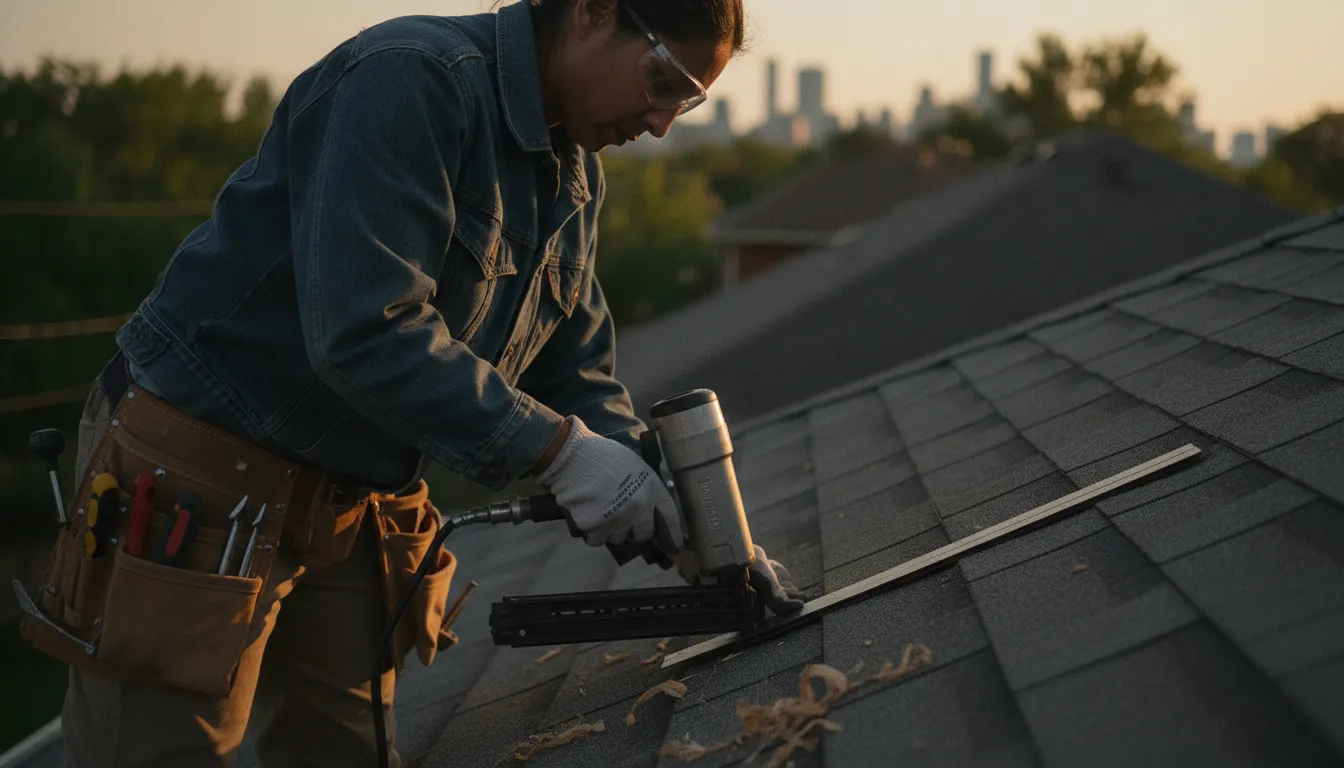
Storm & hail damage repair done right
Fast, practical storm and hail roof repairs for Toronto flat roofs — email us for an inspection
Free estimates · Same-day service available · No obligation
Storm & hail damage repair in Toronto
Toronto roofs see a lot. Wind, hail and heavy rain put flat and low-slope membranes under strain, and damage is often subtle. Flat Roof Solutions inspects hard-to-see bruising and wind-lift, documents findings for insurers, and lays out practical repair options.
What this service covers
We inspect flat and low-slope roof systems — single-ply membranes, built-up roofing (BUR), modified bitumen, and EPDM seams. Repairs cover wind-lifted seams, punctures, hail bruising to membranes and gravel-surfaced BUR, flashings and curb work, as well as ponding-related failures that accelerate after storm events. We include photographic documentation and a written scope for insurance claims.
Signs you need repair now vs later
Immediate attention is needed for open seams, split flashings, active leaks or visible membrane punctures. Cosmetic granule loss on a gravel-surfaced roof or isolated hail bruises on an otherwise intact membrane can sometimes wait for a planned repair, but only after we document them for a claim. Hail damage is often invisible from the ground—roof-level inspection matters because insurers and adjusters expect detailed proof.
Why acting early saves money
A small seam split or a compressed hail bruise can let moisture into layers and insulation, leading to rot, mould and higher replacement costs later. Tackling localized repairs preserves the existing membrane and insulation, stopping escalation to a full re-roof. Early documentation speeds insurance decisions and reduces secondary damage claims.
Why Toronto conditions matter
Toronto sees rapid temperature swings, cold snaps and summer hail that stress sealants and membranes. Freeze–thaw cycles stiffen materials and make seams brittle; summer storms produce hail that can bruise or puncture membranes. Flat Roof Solutions builds repairs for these specific stresses and knows local building practices in Toronto and nearby Mississauga and Vaughan.
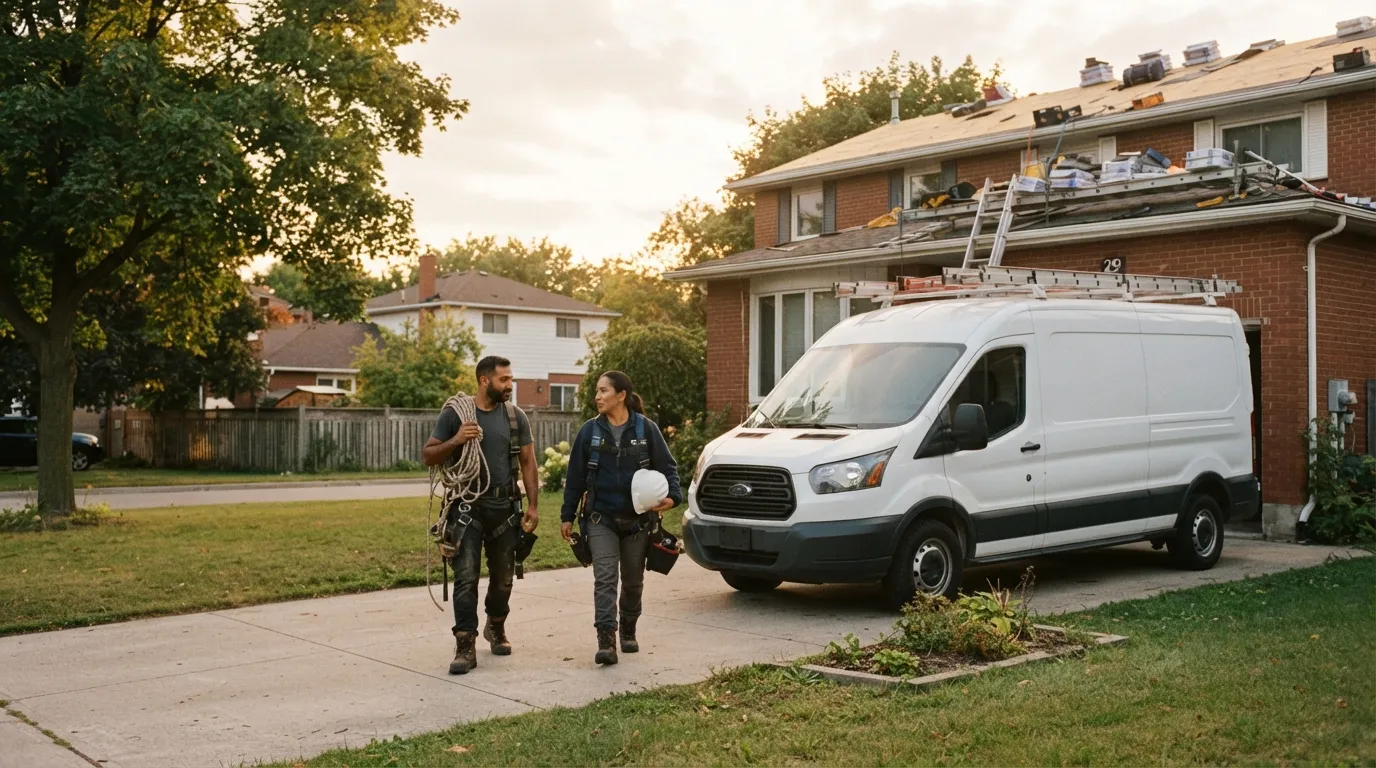
Types of Storm & hail damage repair We Handle in Toronto
Different flat-roof materials fail in different ways. We sort the options by material and approach so you can see what suits your roof and budget.
Flat & commercial roofing
Professional flat & commercial roofing from a licensed, insured local team.
Learn moreGutter installation & repair
Professional gutter installation & repair from a licensed, insured local team.
Learn moreRoof inspection
Professional roof inspection from a licensed, insured local team.
Learn moreRoof leak repair
Professional roof leak repair from a licensed, insured local team.
Learn moreRoof repair Toronto — Flat Roof Solutions
Professional roof repair toronto — flat roof solutions from a licensed, insured local team.
Learn moreRoof replacement Toronto — Flat Roof Solutions
Professional roof replacement toronto — flat roof solutions from a licensed, insured local team.
Learn moreStorm & hail damage repair Toronto — Flat Roof Solutions
Professional storm & hail damage repair toronto — flat roof solutions from a licensed, insured local team.
Learn more
Request a no-obligation roof assessment and written scope
Email Us for a Free Estimate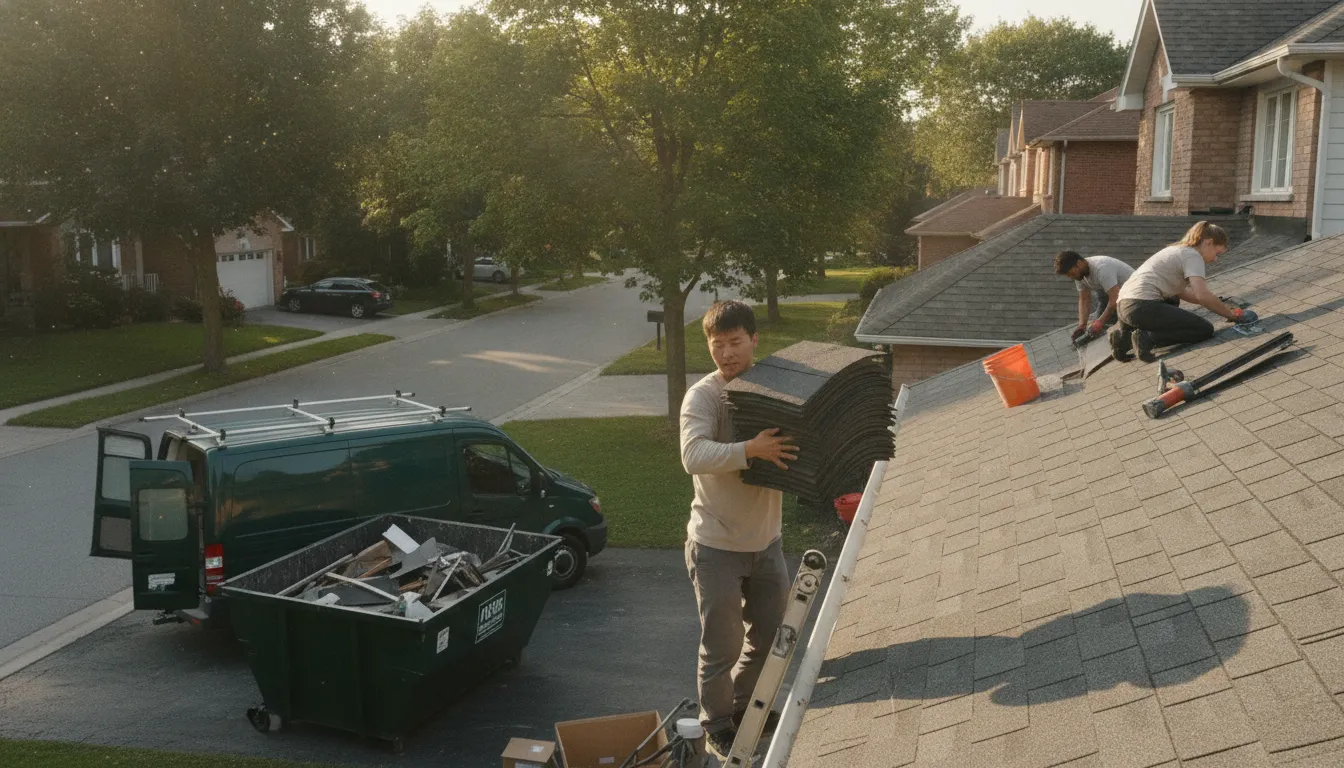
Storm & hail damage repair in Toronto
Toronto weather turns on a dime. Hailstorms and straight-line winds bruise roofing materials, especially on flat and low-slope systems. Flat Roof Solutions inspects, documents and repairs damage on residential and small commercial roofs across Toronto, its neighbourhoods and neighbouring cities like Mississauga and Vaughan.
What this service covers
We inspect and repair wind-lifted shingles, torn membrane seams, punctures, hail bruising to cap sheets and metal flashings, and compromised roof drains and scuppers. For flat roofs we check for hail dents in metal coping, split or delaminated single-ply membranes (EPDM, TPO, PVC), and damage to built-up roofing (BUR) layers. We document every finding with photos and a written scope so you can provide accurate information to your insurer. Repairs include patching, localized re-roofing, seam welding, and replacement of failed flashing or drainage components.
Signs you need immediate attention
Look for torn or curled shingles, soft spots on a flat deck, pooled water that won’t drain, or loose metal flashings after a storm. Hail bruises are often subtle — small dings on vents, AC housings or gutters can signal unseen membrane damage. If you have recent storms and a tight claim window, get a professional inspection promptly; many insurance policies require notice within a limited time. Waiting lets water work into the assembly and can turn a repairable issue into a full replacement.
Why acting early saves money
Early repairs stop water infiltration before plywood decking and insulation degrade. Salvaging intact membrane and insulation reduces scope and disposal costs. Documentation at the outset also helps with insurer approval and can reduce back-and-forth denials. Fixes done right the first time avoid repeated patchwork that attracts leaks in future freeze-thaw cycles.
How Toronto’s climate affects repairs
Toronto’s mix of warm summers, freezing winters and spring thaw puts repeated stress on roofing seams, fasteners and flashing. Freeze-thaw accelerates failures in hail-beset membranes; repeated ponding around rooftop equipment invites rot. We size repairs and choose materials to handle Toronto’s temperature swings and precipitation patterns, and we consider common local roof builds—like low-slope membrane over wood deck or concrete slab—when recommending options.
Why Choose Flat Roof Solutions for Storm & hail damage repair
We work in Toronto neighbourhoods every week. Our approach is straightforward: inspect, document, repair, and get your roof back to performing under Toronto weather.
Written, transparent quotes
Every scope comes as a written quote with line items for materials and labour. You see what’s being replaced and why — no surprise markup during the job.
No hidden fees
We price for access, materials and waste disposal up front. If the scope changes, we explain the trade-off before we proceed.
Cleanup and site protection
We protect landscaping, sidewalks and property edges while we work, and we remove all construction debris from the site. That includes magnetic sweeps for metal fasteners and a final inspection for nails and fragments.
Local crews familiar with Toronto
Our crews know Toronto roofs — the common low-slope builds, local flashing details and the way winters test repairs. That experience helps us pick durable details that work in your neighbourhood.
Workmanship guarantee
We warranty our repairs with a written workmanship commitment appropriate to the scope. If an agreed repair fails due to installation, we come back and fix it according to the warranty terms.
Clear, email-first communication
We handle enquiries and estimates by email to keep a clear record for you and your insurer. Reach out by email to request a quote or inspection in Toronto and surrounding areas.
Signs You Need Storm & hail damage repair in Toronto
Not every bruise needs a full replacement. These are the symptoms we see after Toronto storms — what you can see and what’s likely happening underneath.
Dented metal flashings and coping
Visible dents on metal coping, parapet caps or gutters often mean hail impact energy transferred into the roof edge. That impact can loosen fasteners, split sealants, and open seams where water can enter at the parapet.
Soft spots or sagging on flat decks
A soft or spongy area on a flat roof usually indicates moisture has reached the deck or insulation. Under the membrane, insulation may delaminate and decking can rot, expanding the repair beyond just the membrane.
Ponding water that persists
Standing water after a storm points to blocked drains, low spots or reduced slope from deteriorated insulation. Prolonged ponding accelerates membrane breakdown and fastener corrosion.
Missing, torn or curled shingles (on low-slope transitions)
Wind-lifted shingles at roof transitions or step flashings can expose underlayment and flashing. Once exposed, rain finds its way to sheathing and interior finishes.
Granule loss or bruising on shingles
Clusters of missing granules or small dents signal hail strikes. Granule loss shortens shingle life by exposing the mat to UV and accelerating deterioration.
Loose or split seams in single-ply membranes
Split seams, punctures or open heat-welds in EPDM, TPO or PVC let water penetrate the roofing assembly. Hail and debris impact are common causes of such seam failures after storms.
Cracked or split flashings around penetrations
Cracked lead, metal or rubber flashings around vents and skylights allow water to bypass the membrane and enter the building at penetration points. That often shows up later as interior stains or mould.
Blocked or damaged roof drains and scuppers
Debris, hail-damaged strainers or misaligned scuppers reduce drainage. Poor drainage after storms is a common root cause for recurring leaks.
How much does Storm & hail damage repair cost in Toronto?
How much does Storm & hail damage repair cost in Toronto?
Cost depends on size and scope, the roofing system (single-ply vs built-up vs modified bitumen), material selection, and how much damage is found once the membrane is opened. Access and complexity — rooftop equipment, parapet heights, and whether crane work or scaffold is needed — affect price. Our process begins with an inspection and a written quote that lists material and labour items so you can compare. If an insurer is involved, we supply documentation to support the scope and costs.
What is the typical timeline for repairs after an inspection?
Smaller repairs can be scheduled within days, subject to material availability and weather; larger replacements need planning and coordination. In Toronto, spring and fall are busy windows for roofers, so scheduling may take longer then. We provide an estimated start date in the written quote and update you by email if weather or logistics change.
What materials are used for repairs and replacements?
For flat roofs we commonly work with EPDM, TPO, PVC single-ply membranes, modified bitumen, and built-up roofing (BUR) with gravel or smooth surfacing. Flashings use metal (galvanized or stainless), cold-applied sealants, or prefabricated membrane transitions depending on the detail. We pick materials based on existing construction, expected life, and the budget you’ve set.
Are permits or inspections required in Toronto?
Minor repairs generally don’t require a permit, but larger re-roofing or structural work might. Local code and municipal requirements vary by neighbourhood; we check permit needs as part of the written scope and flag when a permit application will be required. If a permit is needed, we can help prepare the documents or work with your building consultant.
What warranty or guarantee comes with repairs?
We provide a written workmanship guarantee appropriate to the repair; material manufacturers often have their own warranties which we pass along. The warranty covers defects in our installation — normal wear and tear, negligence, or subsequent unrelated damage are excluded. We document the warranty terms in the quote so you know what’s covered and for how long.
How should I prepare my property before crews arrive?
Clear rooftop items that are loose and remove fragile potted plants near access points if possible. Inside, move boxes away from ceiling areas below the work so any small dust or water incidents won’t damage contents. We cover plants and surfaces as part of site protection but removing valuables reduces risk.
Why do quotes from contractors differ so much?
Quotes vary because of differences in inspection thoroughness, material choices, access methods and how contractors price risk. Some crews quote to repair visible issues only; others include substrate testing, moisture scans and full documentation for insurers. Ask for a line-item quote and compare the scope, not just the bottom line — the cheapest price can mean missing repairs that show up next season.
Weather is hard on your roof — email us for a same-day inspection.
Fall roofing conditions in Toronto, ON
Fall is the critical prep window around Toronto, ON: clear gutters, reseal flashing, and fix loose shingles before freeze-thaw and snow load arrive.
Proudly Serving Toronto, ON
Local, on-time service throughout Toronto and the surrounding area.