
Roof Repair or Replacement? How to Make the Right Call
Clear, practical criteria to decide whether to patch your roof or replace it—plus local Toronto guidance.
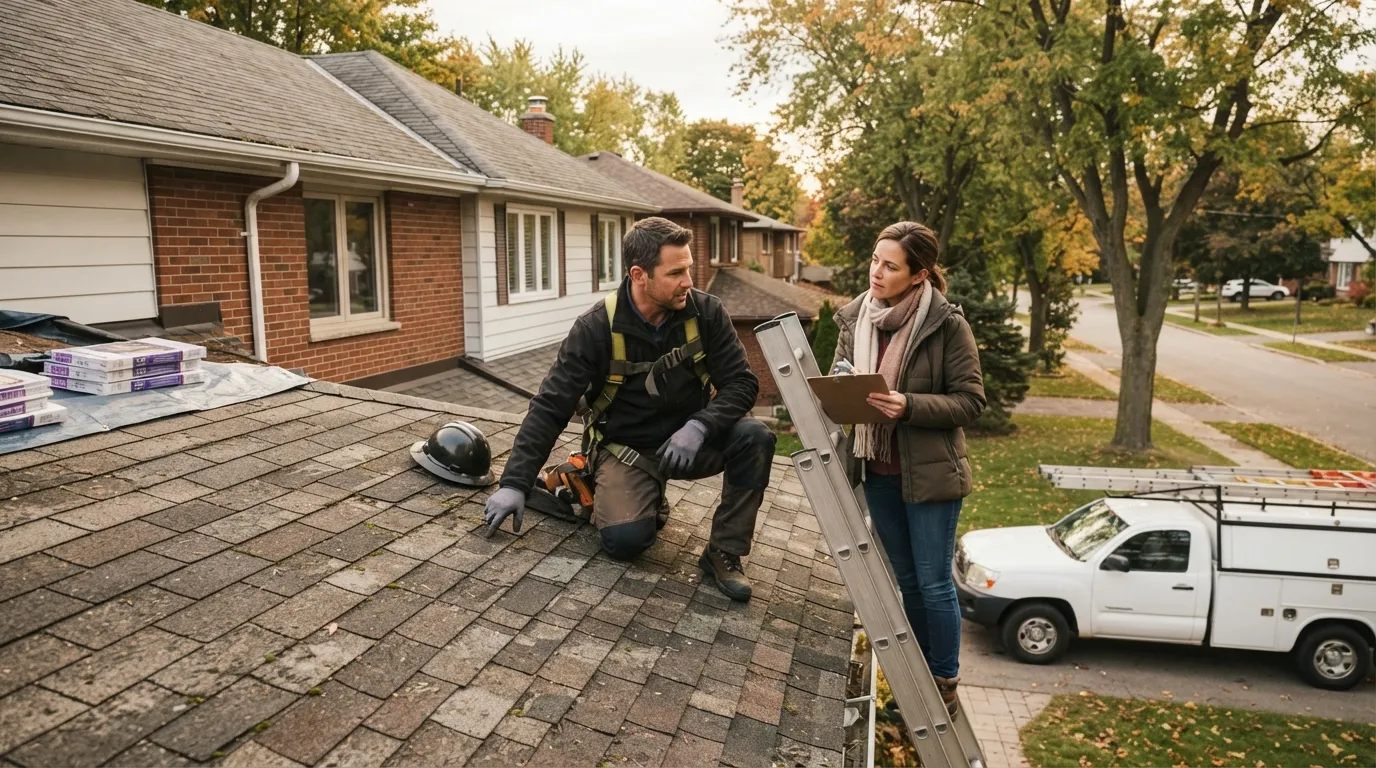
How do I know whether to repair or replace my roof?
You should repair when damage is isolated, the roof is structurally sound, and remaining lifespan justifies fixes; replace when damage is widespread, recurring, or the roof is near the end of its expected life. Consider safety, total cost over time, insurance, and local permit rules when deciding.
Key definitions: repair vs. replacement
A repair fixes specific, localized problems — a few missing shingles, a flash around a chimney, a small leak. A replacement (re-roof) removes and installs a full roofing system, often including underlayment, flashing, and sometimes decking. Some work sits between these: partial re-roofs or major component replacement (e.g., flashing replacement).
When repair makes sense
Repair is the right call if damage is limited (single slope, a small leak), the roof has several years of expected service life left, and there are no systemic issues like widespread rot or failing underlayment. Repairs are faster, cheaper short-term, and keep disruption low when the roof’s overall condition is good.
When replacement is wiser
Replace if the roof is near its expected lifespan for the material (for example, standard 3-tab asphalt shingles often 15–25 years; architectural shingles 20–30 years depending on product), damage is extensive after storm events, or you see multiple leaks, sagging, or rot. Replacement reduces recurring maintenance, lets you upgrade ventilation/insulation, and restores warranty coverage.
Local context matters
Toronto’s freeze–thaw cycles, heavy wet snow, and occasional severe wind events accelerate wear on roofs: steep winters can expose underlayment failures and ice-dam damage. Building permit and inspection procedures vary by Toronto and neighboring municipalities like Vaughan and Mississauga, so confirm local rules before beginning major work.
Step-by-Step: Roof Repair or Replacement? How to Make the Right Call
Follow these practical steps to evaluate your roof, work with insurance if needed, and complete repairs or a replacement correctly.
- 1
1. Inspect and document the roof condition
Start with a careful visual inspection from the ground and attic where safe: look for missing shingles, soft spots, staining, and daylight through the roof deck. Photograph damage, note dates and weather events, and measure approximations — this documentation will be essential for contractor estimates and any insurance claims.
- 2
2. Check attic and interior signs
Inspect the attic for wet insulation, dark streaks, mold, or visible light through the deck; these often show problems not obvious from outside. Verify whether ventilation and insulation are adequate — poor ventilation leads to premature shingle failure and ice dams in Toronto’s climate.
- 3
3. Review warranties, age, and materials
Find the roof’s install date and any remaining manufacturer or contractor warranty documents. Consider the material’s typical lifespan: cedar shakes, metal, flat-roof membranes, and various shingle types differ in longevity and cost to replace.
- 4
4. Get a contractor assessment and written estimate
Hire two to three reputable roofing contractors for thorough inspections and written estimates that separate materials, labour, and scope (repairs vs full replacement). Ask about substrate/deck inspection, flashing replacement, ventilation fixes, and whether they’ll obtain permits if required.
- 5
5. If insurance is involved: contact insurer and prepare claim
Notify your insurer promptly if you believe the damage is covered. Provide your documentation and contractor estimates; insurers commonly send an adjuster to inspect. Understand that Ontario policies and claim processes vary, so confirm your coverage details and timelines with your insurer.
- 6
6. Proceed with the agreed scope and post-work checklist
Once approved, schedule work in a timeframe that avoids extreme weather. After completion, do a final walk-through to confirm flashing, ventilation, and clean-up (gutters and debris) are done; keep all invoices, permits, and warranties for future claims or resale disclosure.
Mistakes to Avoid
A few common errors turn a reasonable roofing choice into an expensive or unsafe one. Avoid shortcuts on inspection, contractor selection, and understanding the true scope — and check local permit and insurance conditions early in the process.
Ignoring attic clues
Homeowners often focus only on visible exterior damage and miss attic signs like rot or poor ventilation. That can lead to repeated leaks after cosmetic repairs; always inspect the attic and ask contractors to open suspect areas to verify the deck and underlayment condition.
Choosing solely on price
Lowest bids often cut corners on materials, flashing, or proper fastening and underlayment—problems that show up within a few years. Evaluate contractor references, proof of insurance, written warranties, and a clear, itemized scope rather than just the cheapest number.
Skipping permits and disclosure
Some municipalities in the Greater Toronto Area require permits for full replacements and major roof work; skipping permits can complicate insurance claims and future property sales. Always check City of Toronto requirements and those in nearby municipalities like Mississauga or Vaughan—rules differ, so verify locally.
Waiting too long after damage
Delaying action because the leak seems small can allow rot, mold, and structural damage to spread, increasing costs and extending downtime. If water is penetrating, perform temporary protection (tarping) and follow up promptly with a professional assessment.
What Affects Your Outcome
Several practical factors change whether repair or replacement is the right choice.
Roof age and expected lifespan
Older roofs nearer their expected lifespan are more likely to justify replacement rather than repeated repairs; material type matters for lifespan and resale value.
Extent and location of damage
A leak confined to a single valley or flashing is often repairable, whereas multiple leaking areas, widespread missing shingles, or sagging decking point toward replacement.
Quality of documentation
Good photos, attic notes, and dated contractor estimates improve communications with insurers and contractors and speed decisions; poor documentation can delay approvals and increase disputes.
Insurance policy details
Coverage, deductibles, and cause-of-loss language vary by insurer and policy; this affects whether insurers approve repairs or replacement—always verify terms with your carrier in Ontario.
Local building codes and permits
City of Toronto and nearby municipal rules influence whether a permit is required, mandated inspections, and accepted materials—noncompliance may lead to rework or fines.
Contractor skill, materials, and warranty
A skilled roofer using proper underlayment, flashing, and fastening practices produces longer-lasting results; check what warranty is offered on labour and how manufacturer warranties are transferred.
Frequently Asked Questions
How long will a new roof last in Toronto?
Lifespan depends on material and installation quality: common asphalt shingles typically last 15–30 years depending on product and exposure, while metal or high-quality membrane systems last longer. Toronto’s winter freeze–thaw cycles and ice can shorten life, so ventilation and attic insulation are important to maximize longevity.
Will insurance usually pay for a replacement after a storm?
It depends on your policy’s coverage, deductible, and the insurer’s assessment of whether damage was sudden and accidental (covered) versus wear and tear (often excluded). Document damage promptly, provide contractor estimates, and communicate with your insurer; Ontario claim practices vary, so verify the details with your insurer.
Can I just patch the leak temporarily to wait for better weather?
Short-term temporary measures like tarps or localized patches are acceptable to prevent further interior damage, but they should be followed by a professional inspection. Prolonging a temporary fix risks hidden rot and mold growth that increase repair costs later.
How do I choose a qualified roofing contractor in Toronto?
Ask for local references, proof of insurance and WSIB coverage, written itemized bids, and examples of recent work in Toronto neighbourhoods. Verify they will obtain required permits and provide a clear warranty on labour and installation.
What upgrades should I consider during a replacement?
Consider replacing worn underlayment, upgrading ventilation and insulation to reduce ice dams, installing ice and water shield in vulnerable valleys and eaves, and improving flashing around chimneys and skylights. These changes reduce future problems and can improve energy efficiency in your home.
Do I need a permit for a roof replacement in Toronto?
Many full roof replacements in the City of Toronto require permits and may be subject to inspection; rules can differ in nearby municipalities like Mississauga and Vaughan. Always check with your local building department before starting major work to confirm requirements.
Free roof inspection and assessment for Toronto homeowners
We’ll evaluate repair vs replacement, check attic and ventilation, and provide a written estimate and permit guidance—no pressure.
Get a Free Quote